
For healthcare providers, understanding the parts of endotracheal tube is essential for safe and effective airway management. Well Lead Medical offers a wide range of endotracheal tubes designed to meet clinical needs and ensure patient safety. Their tubes are available with different features, including Murphy Eye and Magill Type, which provide options for various procedures and patient conditions. With reliable design and quality materials, these tubes support consistent performance in hospital and surgical settings.
Key Components and Their Functions
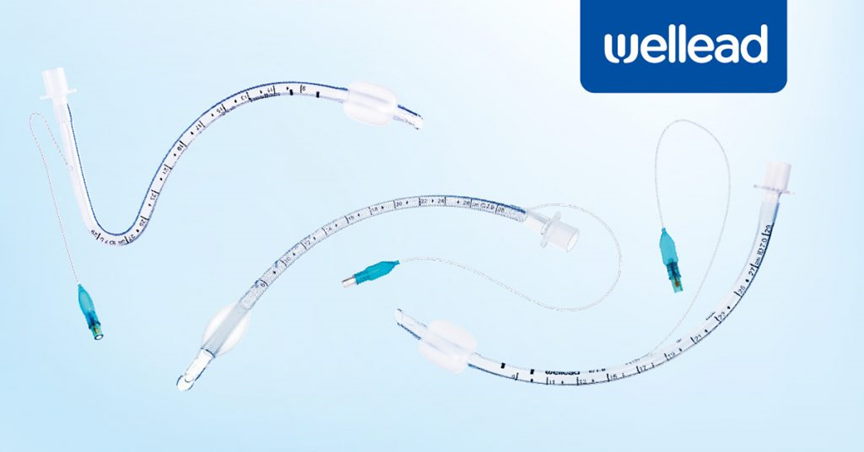
The main parts of endotracheal tube include the tube body, cuff, pilot balloon, and connector. Each part has a specific role in maintaining a secure airway. Well Lead Medical provides tubes with high volume, low pressure cuffs, low profile cuffs, uncuffed options, and PU cuffs. High volume, low pressure cuffs help minimize trauma to the tracheal wall, while low profile cuffs are designed for better fit and comfort. Uncuffed tubes are suitable for pediatric or delicate patients, and PU cuffs offer enhanced sealing properties, ensuring efficient ventilation and safety during medical procedures.
Specialized Features for Practical Use
Some endotracheal tubes from Well Lead Medical come with specialized features such as Murphy Eye, which allows ventilation even if the main tip is blocked. Awareness of these parts of endotracheal tube helps medical professionals select the most suitable option for their patient’s condition. This careful selection process can improve procedural efficiency and reduce the risk of complications, especially in critical care or surgical environments.
Conclusion
A comprehensive understanding of the parts of endotracheal tube is vital for safe airway management. With diverse options like high volume, low pressure cuffs, low profile cuffs, uncuffed tubes, and PU cuffs, Well Lead Medical provides reliable and practical solutions for medical professionals. Familiarity with these components ensures better patient care, safer intubation, and more predictable clinical outcomes, highlighting the value of quality medical devices in everyday practice.