
Sleep apnea is a serious and often underdiagnosed sleep disorder that affects millions of people worldwide. Characterized by repeated interruptions in breathing during sleep, it can significantly impair a person’s quality of life and pose serious health risks. The most common form, obstructive sleep apnea (OSA), occurs when the muscles at cpap back of the throat fail to keep the airway open. Central sleep apnea, another form, involves a failure of the brain to send proper signals to the muscles that control breathing. Both types result in poor sleep and decreased oxygen levels in the blood.
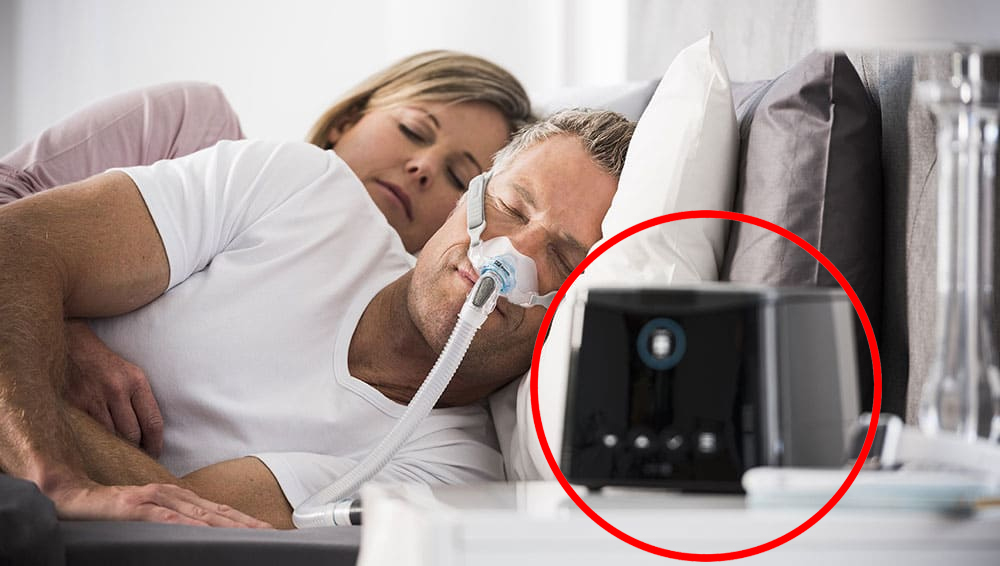
One of the main challenges with sleep apnea is that it often goes unnoticed. Many individuals remain unaware they have the condition until a bed partner observes irregular breathing patterns, such as loud snoring or gasping for air during the night. Daytime symptoms can include excessive sleepiness, fatigue, irritability, difficulty concentrating, and morning headaches. If left untreated, sleep apnea increases the risk of high blood pressure, heart disease, stroke, type 2 diabetes, and even depression.
Risk factors for sleep apnea vary but often include obesity, a family history of the condition, smoking, alcohol consumption, and certain anatomical features such as a thick neck or narrowed airway. Men are more likely to be affected than women, although the risk for women increases after menopause. Children can also suffer from sleep apnea, often due to enlarged tonsils or adenoids.
Diagnosis typically involves a sleep study, either at home or in a specialized clinic, where breathing patterns, oxygen levels, and heart rate are monitored overnight. Treatment depends on the severity and underlying cause of the disorder. Common options include lifestyle changes like weight loss, positional therapy, and avoiding alcohol. The most effective treatment for moderate to severe cases is continuous positive airway pressure (CPAP) therapy, which keeps the airway open during sleep using a steady stream of air. Other treatments include oral appliances, surgery, or implantable devices for more complex cases.